Le quartz peut-il se tacher?
janvier 30, 2022
7 min. de lecture
7 min. de lecture
Quartz countertops are stain-resistant but not stain-proof. Because quartz is an engineered surface with a resin binder, it resists absorption far better than natural stone. Coffee, tea, and most cooking spills wipe away cleanly if addressed within a few hours. However, prolonged contact with highly pigmented liquids (red wine, turmeric, beetroot juice), strong acids (vinegar, citrus), or permanent markers can leave marks that do not come off with soap and water alone.
The sections below cover which stains are reversible, which cleaners Caesarstone recommends for each type, and what to avoid — some common cleaning products actively damage the resin surface.
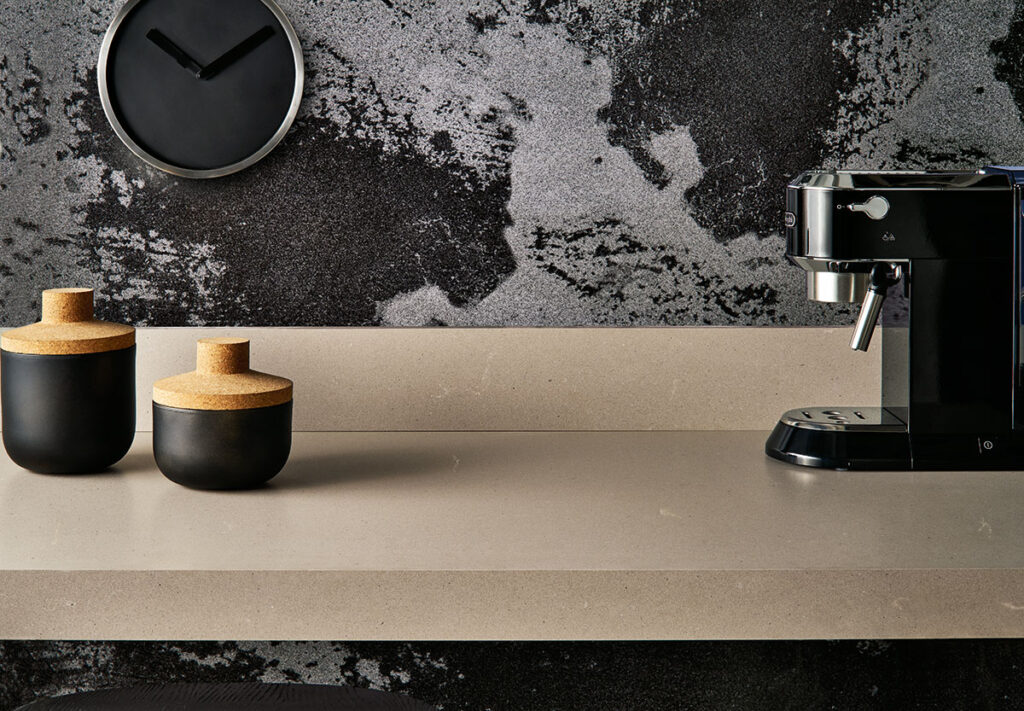
Quartz is an engineered stone made with approximately 90% quartz minerals. It is one of the hardest naturally occurring minerals on earth. The manufacturing process involves mixing quartz with about 10% resins and pigments. The resins used are what give quartz its stain and scratch resistance, whereas the pigment gives quartz its unique colour.
As we mentioned, quartz is one of the hardest countertop materials. This means that it’s durable, and is highly resistant to chips, cracks, and scratches. It is also easy to clean and maintain.
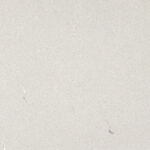
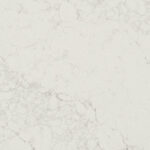
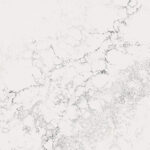
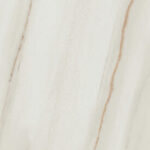
Additionally, with the availability of a wide range of quartz colours, patterns, and designs, a homeowner will always get whatever they are looking for. Whether looking for hues of black, browns, and greys, the variety of Caesarstone quartz countertops such as 4004 Raw Concrete, 5143 White Attica, and 6611 Himalayan Moon are just a few hues that suit any space.
So, do quartz countertops stain? They can if they are not properly taken care of.
Quartz has been proven to be stain-resistant; however, it is not a stain-proof material. In fact, quartz countertops are susceptible to stains from coffee, tea, wine, and chemical spills. With that being said, the absorption rate of quartz is low compared to its natural stone counterparts, an advantage derived via the use of resins and polymers during the manufacturing process.

Now that we have seen that quartz can stain, homeowners may think that the best stain prevention is sealing. However, quartz does not require sealing. Luckily, quartz countertops are non-porous, and so the stains can’t penetrate the material’s surface, making it easier to remove them.
Cleaning quartz countertops is quite an easy task. The fact that it is non-porous means that any spills do not settle deep within the countertop material. Here are some measures that homeowners can implement to prevent their countertops from staining. For easy tips on how to clean and maintain Caesarstone quartz countertops, visit https://www.caesarstone.ca/care-and-maintenance/.
| Stain type | Recommended cleaner | Method | What to avoid |
|---|---|---|---|
| Coffee, tea, juice | Mild dish soap + warm water | Wipe with microfibre cloth, rinse thoroughly | Bleach-based sprays at full strength |
| Red wine, beetroot, turmeric | Soft Scrub with Bleach (diluted) | Apply to damp non-scratch sponge, circular motion, rinse | Abrasive pads, steel wool |
| Dried food spills | Bar Keepers Friend (powder) | Apply small amount to damp cloth, rub gently, rinse immediately | Leaving powder on surface — rinse within 1 minute |
| Ink, marker, adhesive | Isopropyl alcohol (70%) | Dampen cloth, wipe stain, follow with water rinse | Acetone or nail polish remover — damages resin |
| Grease, cooking oil | Simple Green or dish soap | Apply directly, wipe with microfibre cloth | Caustic degreasers, oven cleaners |
| Chemical spills (paint, solvent) | Consult Caesarstone care guide | Immediate action required; do not let dry | All solvent-based cleaners including paint thinner |
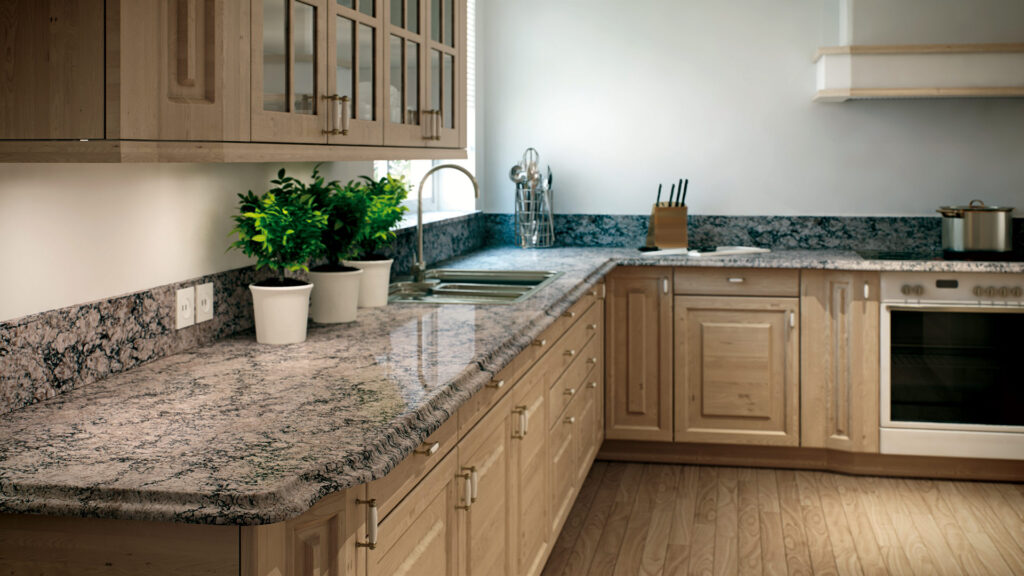
This is a common question among most homeowners. Quartz is not a cheap countertop material. But the durability is worth the cost. However, homeowners tend to think that quartz countertops can be restored, similar to natural stone countertops. Does restoration work for quartz countertops? This depends on the extent of the damage. Generally, seriously stained quartz countertops cannot be restored.
To ensure your Caesarstone remains pristine, follow these manufacturer-recommended guidelines:
This is why it’s vital to care for quartz countertops. A simple routine that includes cleaning spills as soon as they occur and using the recommended cleaning agents will ensure the longevity and durability of your Caesarstone quartz countertops.
{{ subtitle }}
{{ i.desc }}
{{ subtitle }}
{{ subtitle }}