Quartz vs. Granite Countertops - What Should You Choose?
4 min read
Quartz and granite are the two most popular stone countertop materials in Canadian kitchens, and for good reason — both are hard, durable, and visually striking. The choice between them comes down to four practical variables: how much maintenance you are willing to accept, whether you prefer a consistent engineered surface or the unique character of natural stone, your budget, and the resale profile of your property.
Granite is a fully natural stone quarried in slabs, each piece is unique, which is either a feature or a complication depending on whether your kitchen needs colour consistency. It requires annual sealing to prevent staining and is vulnerable to chipping at the edges. Quartz is an engineered engineered of approximately 90% natural quartz mineral with resins and pigments. It offers more colour consistency, requires no sealing, and is harder to chip. It does not have the unique one-of-a-kind character of natural granite.
This guide compares both materials across the factors that matter most for a kitchen renovation decision.
| Factor | Quartz (engineered) | Granite (natural stone) |
|---|---|---|
| Composition | ~90% quartz mineral + resins and pigments | 100% natural igneous rock, quarried in slabs |
| Appearance | Consistent colour and pattern across the slab | Unique — no two slabs identical; natural variation |
| Hardness (Mohs) | 7 (quartz mineral) | 6–7 depending on mineral composition |
| Stain resistance | Excellent — non-porous, no sealing required | Moderate — requires sealing 1–2x per year |
| Heat resistance | Good — use trivets; sustained heat can affect resins | Excellent — natural stone tolerates heat well |
| Edge profiles | Wide range available from fabricators | Wide range available; some complex profiles harder in natural stone |
| Colour options | Extensive — manufactured in hundreds of patterns | Limited to natural stone colours; no uniformity guarantee |
| Installed cost (CAD) | $60–$120/sq ft | $55–$130/sq ft; rare granites can exceed $200 |
| Maintenance | Wipe clean; no sealing | Annual or biannual sealing; chips need professional repair |
| Repairability | Difficult to repair invisibly; replacement may be needed | Chips can often be filled and colour-matched by a fabricator |
| Resale value | High — widely recognised by buyers | High — perceived as premium natural material by many buyers |
Granite countertops had been the standard when it comes to stone materials used for countertops. Caesarstone engineered quartz has changed all that. Like granite countertops, a countertop that uses engineered quartz is also super hard and nonporous, making it extremely resistant to mold, mildew, and germs.
Even though both materials are low maintenance, it’s still important to use a suitable quartz countertop cleaner to keep engineered quartz surfaces looking consistent over time. Visit the Caesarstone care and maintenance page to learn more about recommended quartz cleaning products.
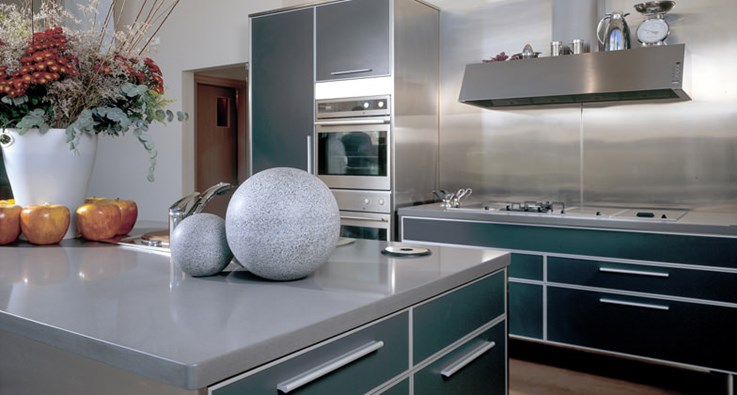
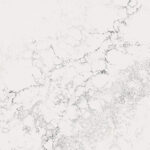
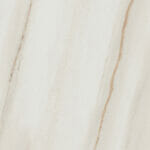
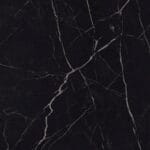
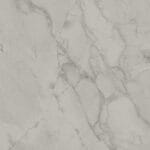
Unlike granite kitchen countertops, engineered quartz countertops can range in colours from fine-grained salt and pepper patterns to coarse-grained, color blends.
More than that, granite can crack if a sharp, hard object hits it just right and it can easily stain if it’s sealed with a pre-existing stain. Our materials don’t do that. Engineered quartz countertops are stain, scratch, chip, and crack resistant!
Learn more about care and maintenance of quartz surfaces >>
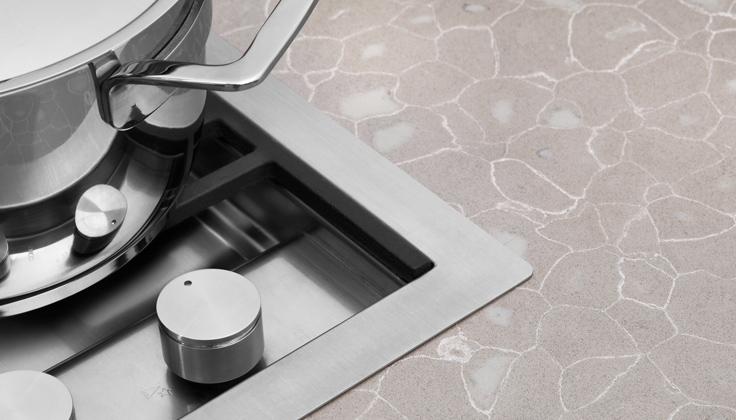
For those that want a countertop that will last well into the life of their kitchen space, granite countertops are the has-beens. Caesarstone engineered quartz is the new material of choice when it comes to finishing off a bold and exciting kitchen, interior design.
Granite has been used for thousands of years in both exterior and interior applications. Granite dimension stone is used in bridges, buildings, monuments, paving, and other exterior projects. Tiles and polished granite slabs are used indoors as granite countertops, stair treads, tile floors, and other design elements
The term granite has various definitions. Geologists define granite as a feldspar-bearing igneous rock, coarse-grained, made up completely of crystals. In terms of stone trade, the word Granite is used for any feldspar-bearing rock with interlocking crystals that are big enough to be visibly seen with the naked eye.
By this classification, rocks like gabbro, granite, anorthosite, syenite, gneiss, monzonite, granodiorite and others are sold under the name of “granite”.
{{ subtitle }}
{{ i.desc }}
{{ subtitle }}
{{ subtitle }}